Guide in Coverage & claims
After a crash: document, report, follow up
After a crash, put safety first and call emergency services if anyone is injured or in immediate danger. When it is safe, record the incident and exchange the information required locally. Notify your insurer promptly and keep a written claim record.
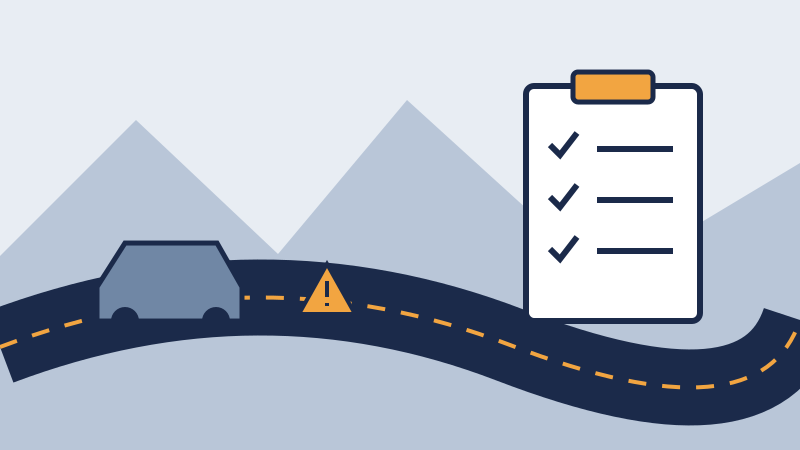
Make the scene safe first
Move out of traffic if you can do so safely. Follow police instructions and local reporting requirements. Photos can wait until you are safe. The NAIC’s claim checklist starts with safety and then describes the vehicle, witness and incident information useful for a claim.
Build one claim folder
Keep photos, the incident date and location, contact details, the report number if there is one, and messages from the insurer together. Note when you called and whom you spoke to. Photograph damage without putting yourself back in danger. Share sensitive documents through the insurer’s verified channel rather than posting them publicly.
Ask what happens before authorizing work
Get a claim number and ask about inspection, repair authorization, towing, storage charges and rental-car limits. Record any instructions in writing. A rental benefit or reimbursement is not automatic just because a car is being repaired. Check the coverage that applies and the daily and total limits before agreeing to costs.
Review the settlement explanation
Ask for the basis of a payment, deduction or denial, and compare it with the policy. If you disagree, send the supporting documents and ask for the insurer’s review procedure. Your state insurance department can explain complaint options. The Texas guide’s claims section illustrates why state rules and the type of claim matter; its deadlines are not national deadlines.
Sources & further reading
Sources checked October 7, 2026. State-specific sources describe their own jurisdiction.
Written by Sherpa Desk. This is general information; it has not received individual professional insurance or legal review.